Exploring the Depths of Simulacra
Living in the Simulacra
How I Learnerd to Stop Worrying and Love Baudrillard
What’s real? No “really,” what’s real, what’s not and how do you know? Co-authors Mark Heisten, Kathleen M. Ryan and David Staton invite you to explore the intriguing world of simulacra and discover how it shapes our perception of reality in today’s digital age.

Meet the Minds Behind the Book
‘Living in the Simulacra’ is a groundbreaking exploration authored by Mark Heisten, Kathleen M. Ryan, and David Staton. With diverse and lengthy careers in a host of media industries (network news, global advertising, national newspaper and editorial writing for national magazines and newspapers, the trio also have training and backgrounds in a variety of media-specific academic disciplines. They bring a wealth of knowledge and insight into the complex interplay between media, reality and lived experience. Their collaborative work offers a profound understanding of how simulacra influence our daily lives and perceptions.
The authors are known for their expertise in analyzing media trends and their impact on society. They delve into the philosophical aspects of simulacra, examine its practical implications, and provide a critical perspective on the ethical dimensions of media representation. Together, they present a compelling narrative that challenges conventional views and encourages readers to rethink their relationship with media. Meta questions about life and truth in the digital age are posed and answered in some instances, but open-ended provocations also abound in this first-of-its kind examination.
Unpacking the Concept of Simulacra
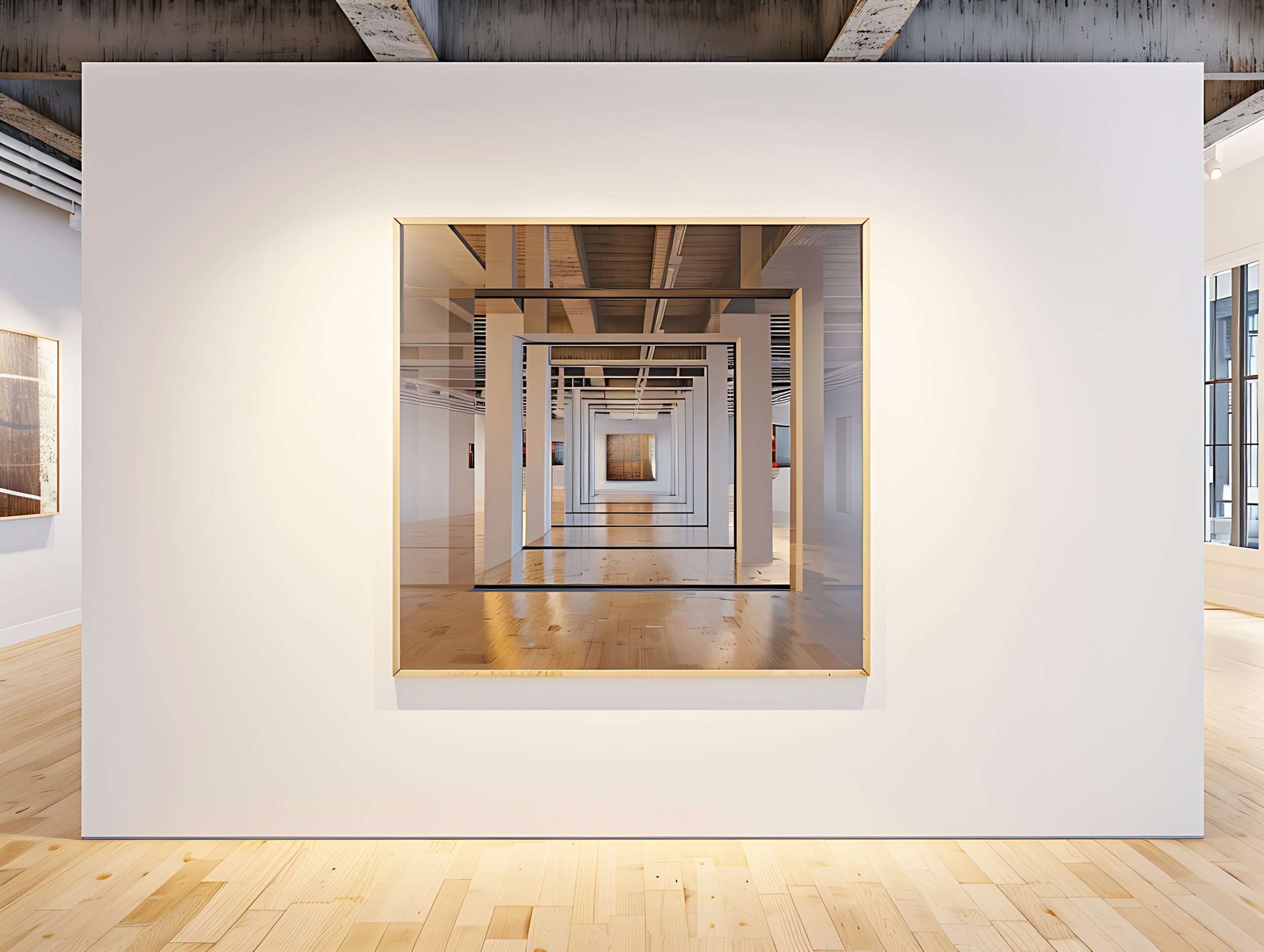
The book delves into the concept of simulacra, originally developed by philosophers like Plato, Saussure, and Baudrillard, to explain how representations have increasingly overtaken reality in the digital age. It examines the blurred lines between truth and fabrication in media using case studies, theory and keen observation.
Simulacra in the Media Landscape
In today’s media landscape, simulacra manifest in various forms, from AI-generated content to digital avatars. These representations challenge our understanding of authenticity and truth, prompting a reevaluation of how we consume and interact with media and how that exchange informs our lived experiences.
Ethical Implications and Future Perspectives
The book also addresses the ethical implications of living in a simulacrum, urging media producers and consumers to consider the impact of fabricated realities and their relationships to truths and facts. It offers insights into potential future developments and the role of simulacra in shaping societal norms.
What People Are Saying
“Living in the Simulacra will be indispensable for teaching and research on digital culture, visual politics, and media theory, and for anyone trying to understand why the line between the ‘real’ and its simulations now feels so precariously thin.”

Hudson Moura
Editor-in-Chief and Chair, Interactive Film & Media Journal and IFM Conference
Delightfully brilliant, the authors challenge us to embrace ‘life in the simulacra,’ to probe the impact of simulated living, and to cultivate ways for wisely navigating the scary yet transformative, transcendent power of ‘the work of media in the age of pure simulacra.’ ”

Julianne Newton
Author of The Burden of Visual Truth and coauthor of Visual Communication
An incisive and daring exploration of our hyperreal age, Living in the Simulacra brilliantly illuminates how digital media reshapes truth, identity, and reality itself. Essential reading for anyone seeking to understand (and survive) today’s post-truth world.”

Stefano Odorico
Co-convenor of the Polyphonic Documentary Project